
How Inverter HVAC Systems Are Designed to Impact Your Energy Bills
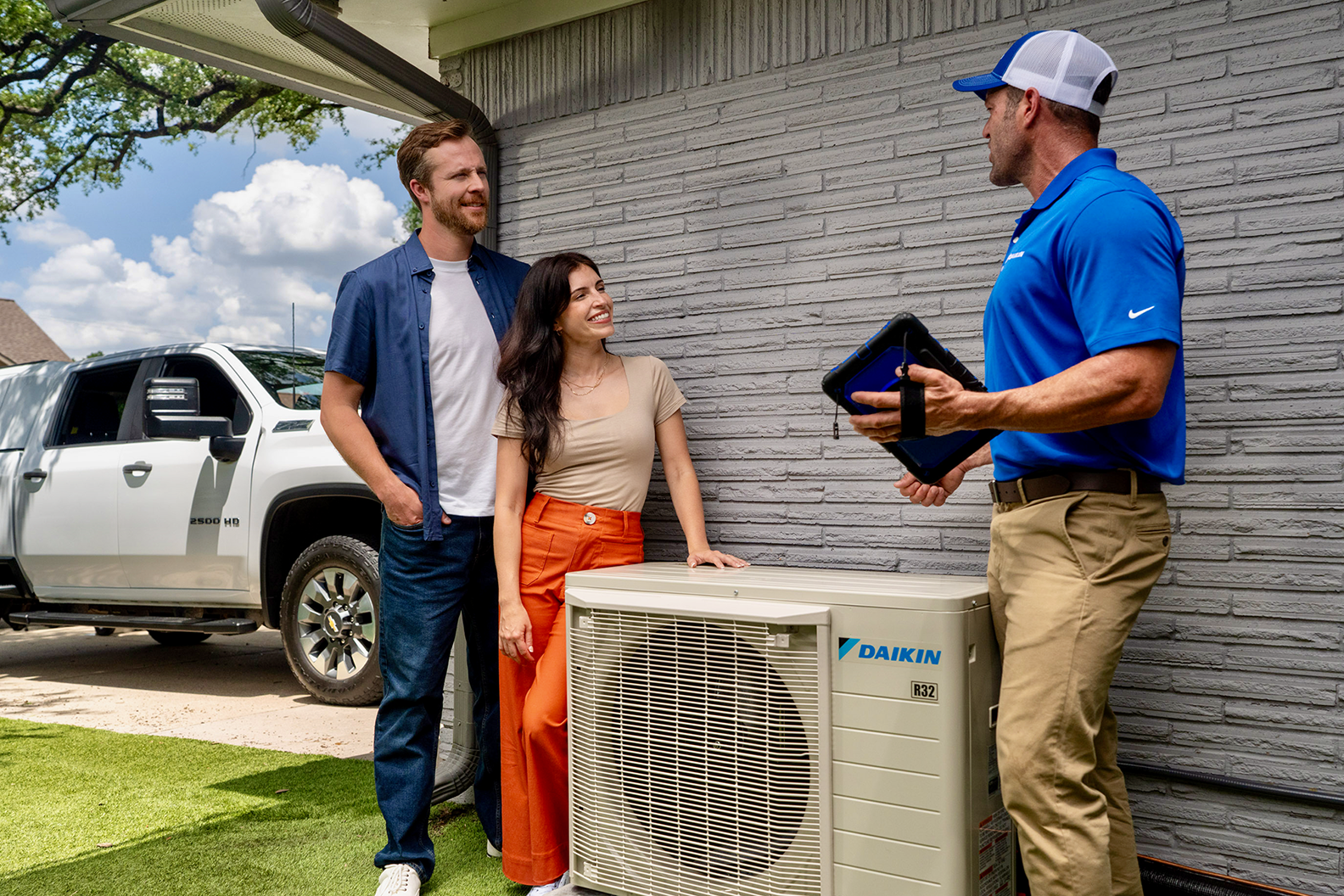
Electricity prices are rising in many places across the U.S., leaving many homeowners wondering what has changed.1,2 While utility rates play a role, many may not realize that the technology used in their HVAC system can make a meaningful difference in both short term energy use-related costs and long-term efficiency.
One impactful advancement in HVAC efficiency is the adoption of inverter technology. But what exactly is inverter technology, and how is it designed to have a noticeable impact on your energy bill?
How Traditional HVAC Systems Work
To understand how inverter systems are designed to make such a difference in energy use, it helps to first look at how traditional, non-inverter HVAC systems operate. Many conventional systems use either single-speed or two-stage compressors, which limit their compressor to an “ON/OFF” or “LOW/HIGH/OFF” operation.
- Single-speed: Runs at full power when on, then shuts off once the set temperature is reached
- Two-stage: Switches between low, high, or off settings, but is still limited to only two levels of operation
Because many traditional, single-speed systems rely on frequent on-and-off cycling and have limited flexibility in compressor operation, this operating pattern may affect energy use over time.3,4
What is Inverter Technology?
Compared to traditional HVAC systems without the technology, inverter technology offers a flexible way to control compressor operation. Inverter systems use variable-speed compressors that adjust in real time to match heating or cooling demand, helping to efficiently maintain consistent indoor temperatures.5
Advanced inverter HVAC systems, like the Daikin FIT, also use two-way communication between indoor and outdoor components. This design helps coordinate performance and respond to changes in your home quickly and precisely.
Because inverter technology limits on-and-off cycling, it may provide several benefits:
- Energy-efficient operation by matching output to demand4,5
- Stable energy use by limiting compressor cycling4,5
- Limit energy use during startup and shutdown cycles3,4
- Reliable performance during periods of high energy demand4
Instead of turning on and off like traditional single or two-stage HVAC systems, inverter HVAC systems are designed to run smoothly to keep your home at a steady temperature, managing energy use that can happen when systems start and stop.3,4,5 By making small adjustments in real time, inverter systems are designed to maintain comfort efficiently.
Are Inverter HVAC Systems Worth It?
For many homeowners, an inverter system may be a worthwhile investment. While the upfront cost may be higher than a single-stage or two-stage system, a system with inverter technology can manage energy use over time.4,5
And the benefits go beyond energy efficiency. With inverter technology, you may also experience:
- Quiet operation, some systems with sound levels as low as 45 dB(A) in quiet mode
- Balanced humidity levels, helping your home feel comfortable6
- Precise temperature control5
- Long-term reliability, as limited cycling can help manage wear on system components
Conclusion
As energy costs rise in some areas, the type of HVAC system you choose can play a meaningful role in your monthly expenses. If you’re considering upgrading or replacing your current system, exploring inverter technology may be a smart step toward managing energy usage over time while creating an indoor home environment that feels comfortable, consistent, and easy to live in every day. Speaking with a qualified HVAC professional can help you determine whether an inverter system is the right choice for you.
- U.S. Energy Information Administration. “U.S. electricity prices continue steady increase.” April 23, 2026. https://www.eia.gov/todayinenergy/detail.php?id=65284
- National Energy Assistance Directors Association. “The Cost of Power: How Soaring Electric Rates Are Deepening Energy Poverty in America.” August 2025. https://neada.org/wp-content/uploads/2025/08/costofpower.pdf
- University of Illinois at Urbana-Champaign. “Capacity and Efficiency in Variable Speed, Vapor Injection and Multi-Compressor Systems” May 2004. https://www.ideals.illinois.edu/items/12386
- Electric Power Research Institute. “Variable-Speed Heat Pumps for Energy Efficiency and Demand Response.” May 2014. https://www.bpa.gov/-/media/Aep/energy-efficiency/emerging-technologies/ET-Documents/000000003002003925-variable-speed-heat-pump.pdf
- Texas A&M University. “Quantifying the Performance of Variable-Speed and Single Speed Heat Pumps in Residential Cooling and Demand Response Applications.” August 2025. https://oaktrust.library.tamu.edu/items/9560d11f-fb36-4b16-9707-2ec1bd53c789
- U.S. Department of Energy. “Advanced HVAC Humidity Control for Hot-Humid Climates.” April 2024. https://docs.nlr.gov/docs/fy24osti/83357.pdf
In this article
Connect on Social Media
 Follow on Facebook
 Follow on YouTube
 Follow on Instagram
 Follow on X
 Follow on TikTok
 Follow on Pinterest

Looking for help now?
Enter your zip code to search for Daikin Contractors in your area.
Learn More
Learning Center Content
Stay informed about home comfort technology, when to upgrade, energy efficiency, and reducing your energy bills.

Can Humidity Control Help You Stay Comfortable at Higher Thermostat Settings?
29 Jul 2026
Think your thermostat tells the whole comfort story? Humidity can change how warm or cool a home feels, and too much moisture in the air may make even moderate temperatures feel muggy or uncomfortable for some occupants.
How Inverter HVAC Systems Are Designed to Impact Your Energy Bills
8 Jul 2026
Understanding your home’s energy use can start with learning about your HVAC system’s efficiency and the technology behind it. Inverter technology offers an efficient way to heat and cool your home, helping to maximize your comfort while managing energy use. This article explains how inverter systems work and how they are designed to affect your monthly energy costs.
Rising Electricity Rates: How Smart HVAC Choices Can Help Homeowners
27 May 2026
For homeowners concerned about rising electricity rates, heating and cooling efficiency is one of the most practical ways to manage long‑term energy costs, especially as the power grid faces increasing demand.
Air-to-Water Heat Pumps: The Water Home Comfort Solution Explained
17 Apr 2026
Considering replacing your fossil-fuel boiler with something new? Tired of maintaining a separate boiler, AC unit, and water heater? Air-to-water heat pumps are a modern, 3-in-1 answer to your total home comfort.

How to Lower my Energy Bill
3 Feb 2025
There are many ways to reduce energy bills, including replacing windows, adding insulation, zoning your home, and upgrading your system.